The Faroe Islands Don't Feel Real
Written by Scott & Sophie
Location
Faroe Islands
Travelled
July 2023
Location
Faroe Islands
Travelled
July 2023
The Faroe Islands are a group of 18 islands in the North Atlantic, located between Iceland and Norway. They're known for their dramatic cliffs, green mountains, waterfalls, and small villages surrounded by world-class scenery.
We'd seen photos of the Faroe Islands before and thought the landscapes almost looked too good to be real. They also seemed relatively undiscovered, which made us even more interested in visiting. Since we were already travelling from Iceland to Norway, it felt like the perfect opportunity to stop and explore somewhere different.
- Capital
- Tórshavn
- Population
- Approximately 56,000
- Languages
- Faroese and Danish
- Currency
- Danish krone (DKK)
- Location
- North Atlantic Ocean, between Iceland and Scotland
- Political status
- Self-governing territory within the Kingdom of Denmark
- Geography
- 18 volcanic islands, 17 inhabited
- Unique Fact
- Around 70,000 sheep, more than the human population!
Exploring the Faroe Islands
We rented a car and spent our time driving around the islands, stopping whenever something caught our attention. It was a great way to explore, especially since the drives themselves were just as impressive as the places we were heading to.
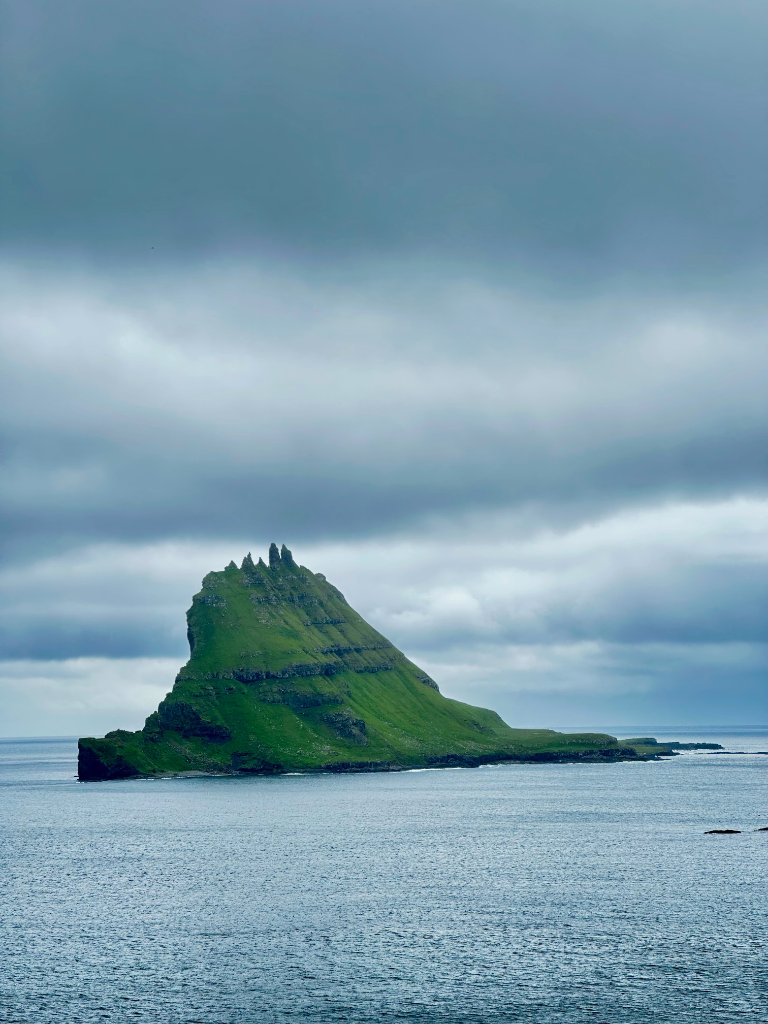
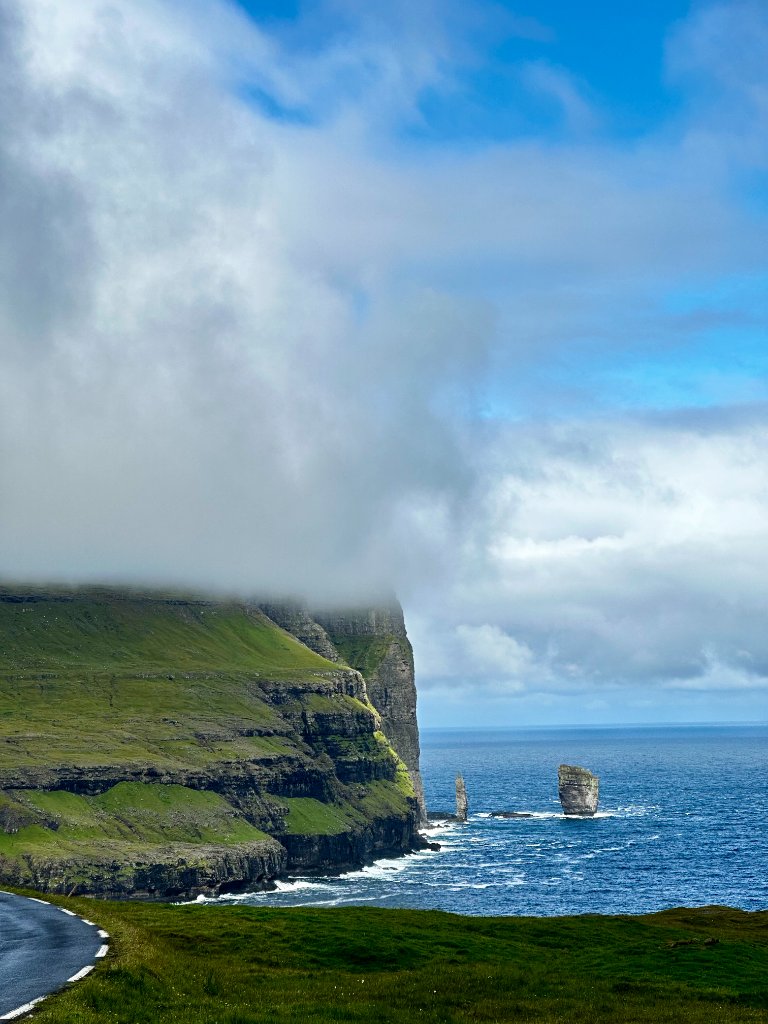
Right away, we were surprised by just how dramatic the scenery was. Steep green hills came straight out of the ocean, waterfalls were everywhere, and there were tons of tiny villages tucked between the mountains and coastline. We found ourselves pulling over regularly to take photos or just to enjoy the views.
The islands were also surprisingly easy to get around, with tunnels, bridges, and ferries connecting the different areas!
Landscapes That Seem Unreal
The Faroe Islands are made up of 18 islands connected by tunnels, bridges, and ferries. Despite covering a relatively small area, every island seemed to have its own personality.
Driving through the islands was one of the highlights of the trip. The fjords are incredibly dramatic, and the views are amazing all over the islands. As we'd drive around a corner or emerge from a tunnel, we'd find another valley, waterfall, or village that was just as impressive as the last.
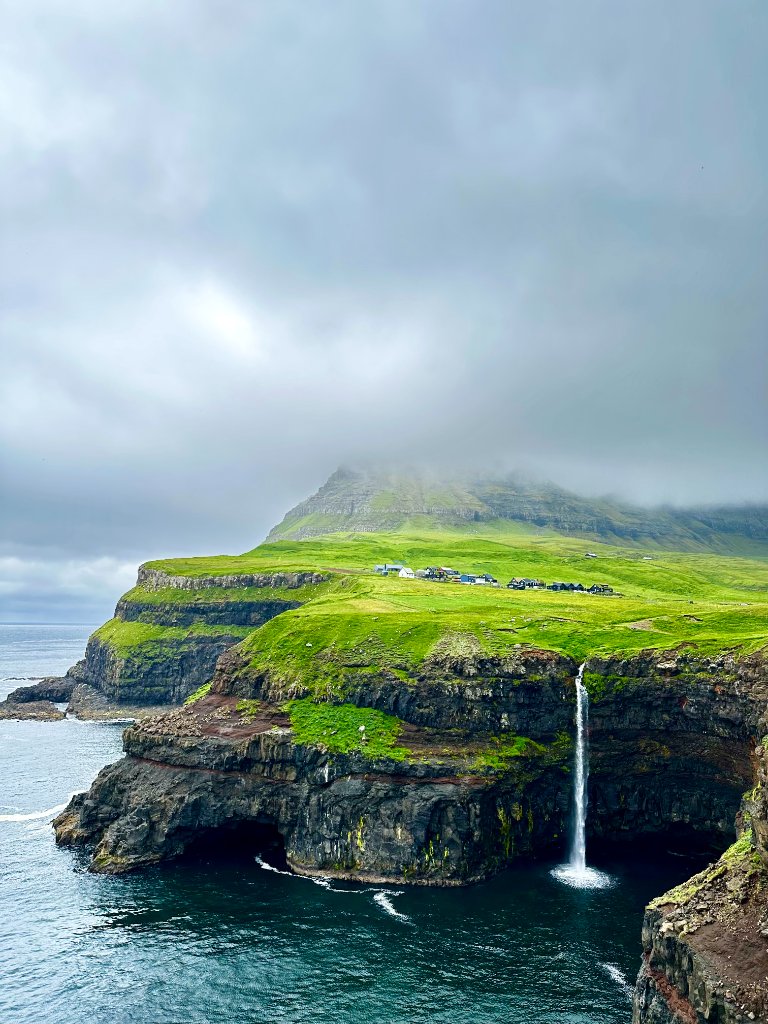
Some of the places we'd seen in photos were even more impressive in person. The Múlafossur Waterfall dropping into the ocean was cool to see in person and didn't even seem real.

Múlafossur Waterfall
Sørvágsvatn was another landscape that stood out. The lake appears to sit high above the ocean, even though the difference in elevation is much smaller than it looks. The steep cliffs and viewing angle create an optical illusion that makes it one of the most unusual views in the Faroe Islands.
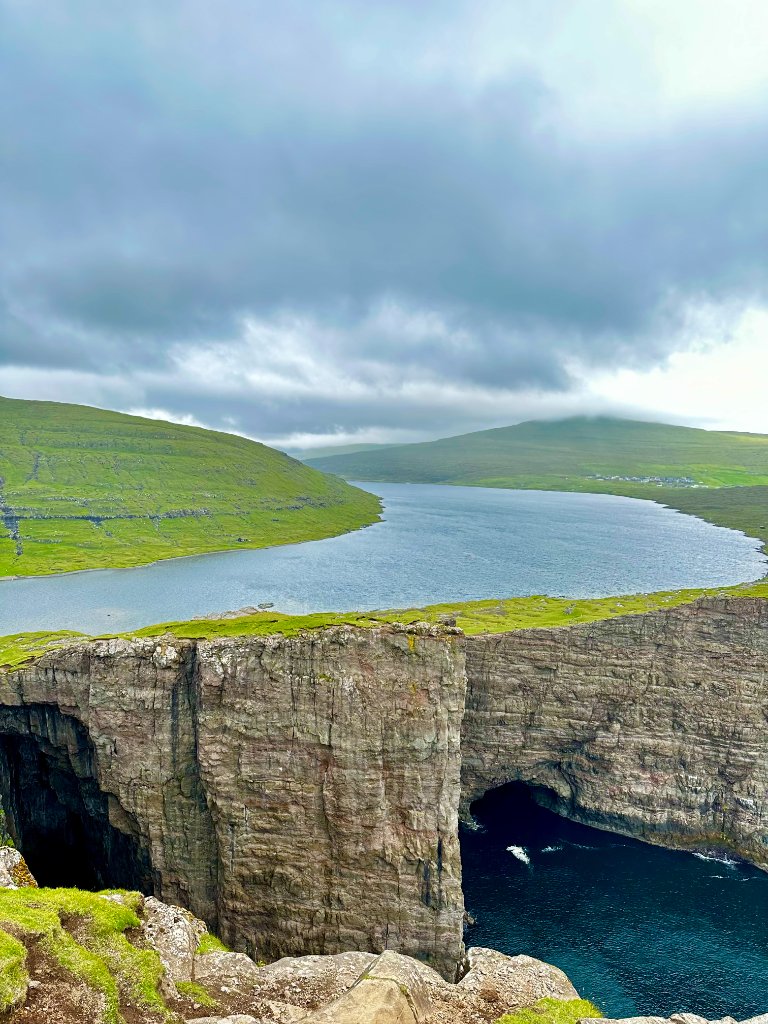

Sørvágsvatn
Photo 1 of 2
More than once, we pulled over simply because the view outside the car looked hard to believe. It became almost impossible to drive for long without wanting to stop for another photo.
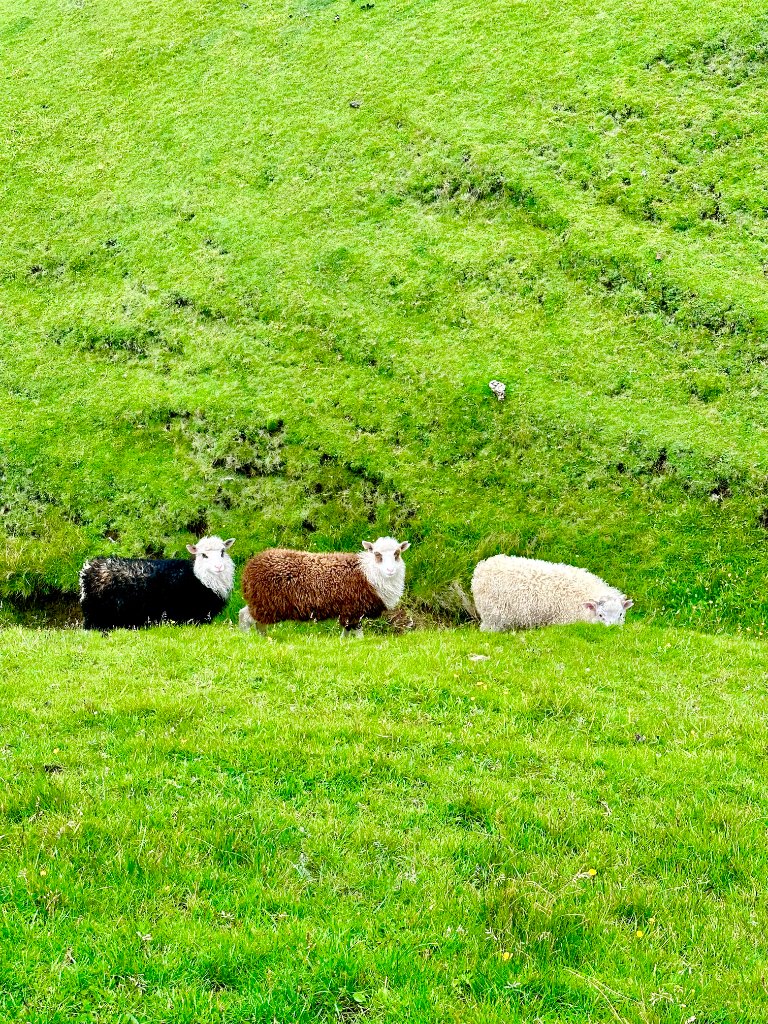
One thing we loved was how untouched everything felt. There were very few buildings outside the villages. It was just mountains, ocean, sheep, and endless scenery all over. In fact, there are more sheep than people in the Faroe Islands, which makes sense once you start driving around and see them everywhere.
Life Moves at a Different Pace
The Faroe Islands have a completely different pace than most places we've travelled.
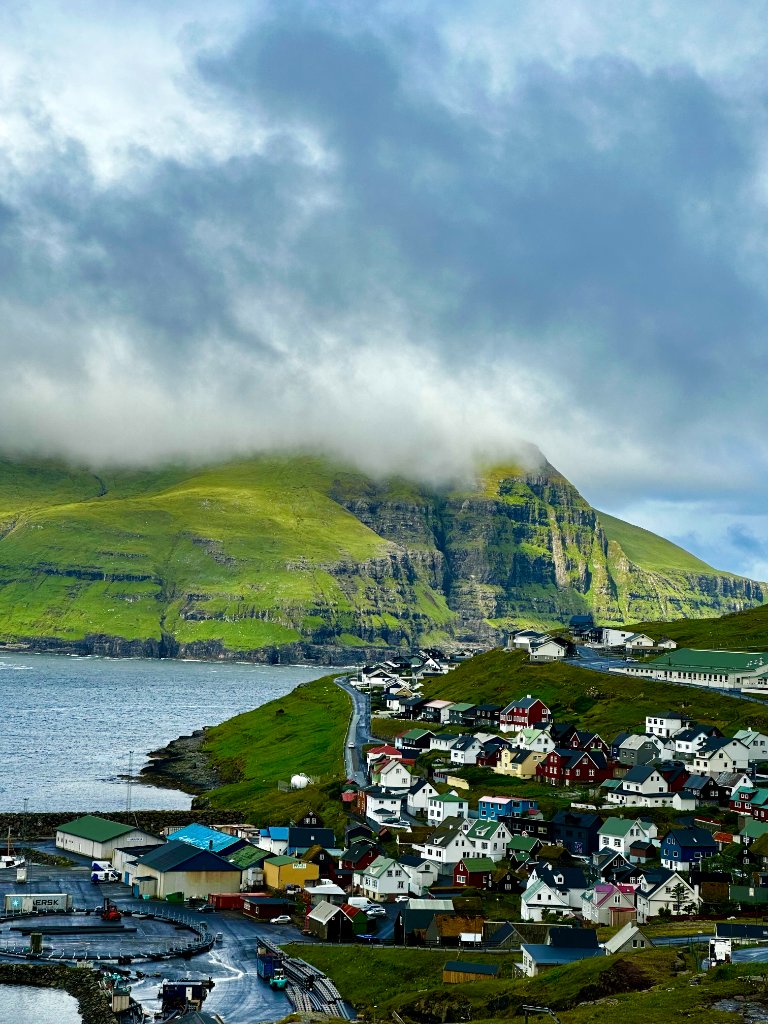
Many of the villages have colourful homes, a church, and a small harbour. There are no large cities. Even Tórshavn, the capital and largest town, feels small compared to most European capitals. There's very little traffic and almost no sense of rushing from one place to another.
The people we met were incredibly friendly, and everywhere felt welcoming. Even though tourism has grown over the years, it still felt like we were visiting somewhere that hadn't been overwhelmed by crowds.
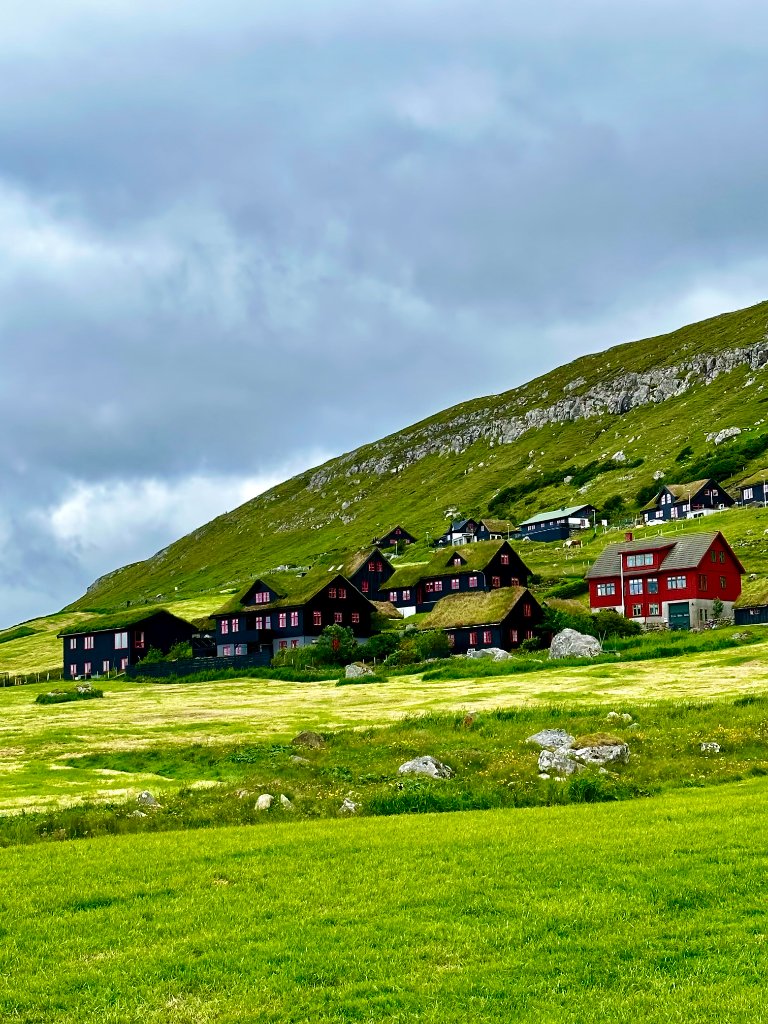
Kirkjubøur Village
The Weather Is Part of the Adventure
If there's one thing to expect when visiting the Faroe Islands, it's changing weather. During our trip, we experienced sun, rain, low clouds, and strong winds, sometimes all within the same hour. It's part of the experience!
The constantly changing conditions gave the landscapes a different look throughout the day. Mountains would disappear behind clouds and reappear as the sun broke through. Packing waterproof clothing is a must when visiting the Faroe Islands.
Driving Is Half the Experience
One of the biggest surprises was just how easy it was to explore.
The Faroe Islands have an impressive network of roads connecting almost every island. Bridges, causeways, ferries, and underwater tunnels make it possible and easy to reach places that look incredibly remote.
Some of the newer underwater tunnels have impressive artwork and lighting, making the drive entertaining as well. One even has what is believed to be the world's first underwater roundabout!
Every tunnel seemed to lead somewhere completely different. Every time we'd emerge from one, we'd be impressed by what we saw, whether it was another dramatic coastline, mountain, or quiet village.
Our Favourite Viewpoint: Kallur Lighthouse
If we had to choose one moment that sums up the Faroe Islands, it would be standing near Kallur Lighthouse on Kalsoy Island. The hike itself wasn't really long, but the view makes it worthwhile to experience one of the most iconic viewpoints in the country.
The cliffs are incredibly dramatic and drop sharply into the Atlantic Ocean, with the lighthouse on the edge of the ridge and endless ocean in the distance. It almost doesn't feel real when you're there. Photos can't capture the scale or feeling of the surroundings.
It's the viewpoint that immediately comes to mind whenever someone mentions the Faroe Islands.
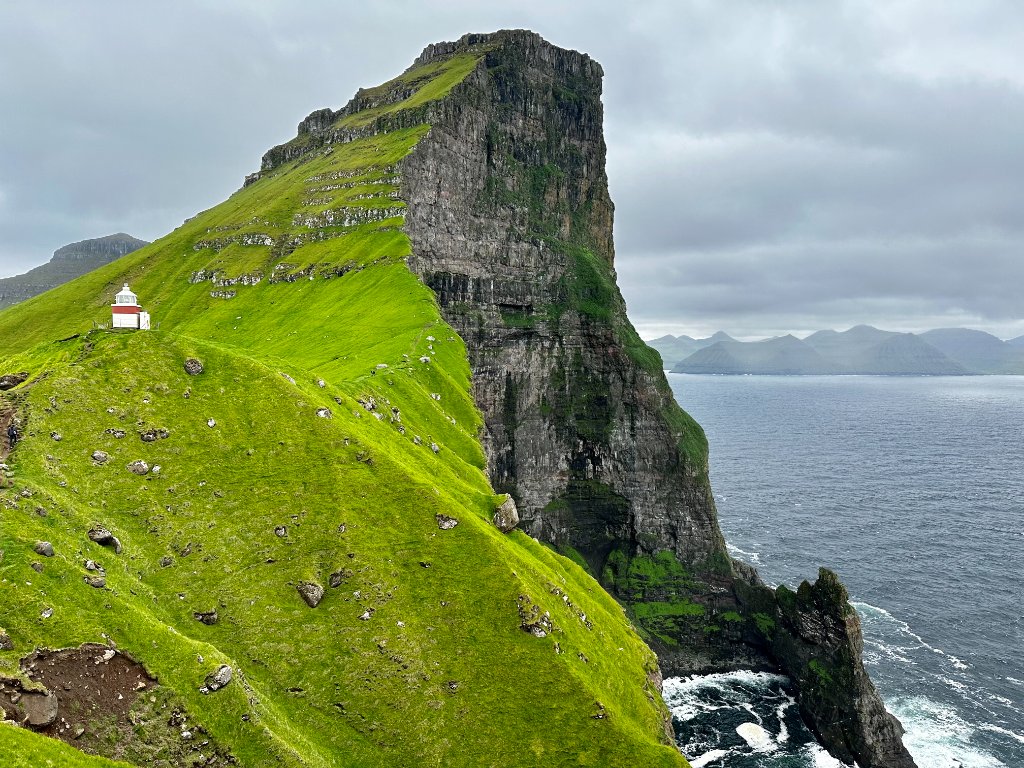

Kallur Lighthouse
Things to Know Before You Go
If you're thinking about visiting, here are a few things worth knowing:
- Renting a car is the easiest way to explore the islands.
- Pack layers and waterproof clothing, even during summer.
- Summer offers long daylight hours, making it easy to fit plenty into each day.
- Some tunnels require a toll that's usually billed through your rental car company.
- The Faroe Islands are expensive, so it's worth budgeting a little extra for accommodation and food.
Is It Worth Visiting?
For us, the Faroe Islands still stand out as a destination we loved.
The landscapes just didn't quite seem real and felt endless. As you drive, you're always surrounded by impressive views, and as a destination, it still feels peaceful and uncrowded.
If you love dramatic scenery, road trips, photography, hiking, or simply exploring somewhere different, the Faroe Islands deserve a place on your travel list.
Before our trip, we knew very little about the Faroe Islands. Looking back, that's probably part of what made them so memorable. They completely exceeded our expectations.
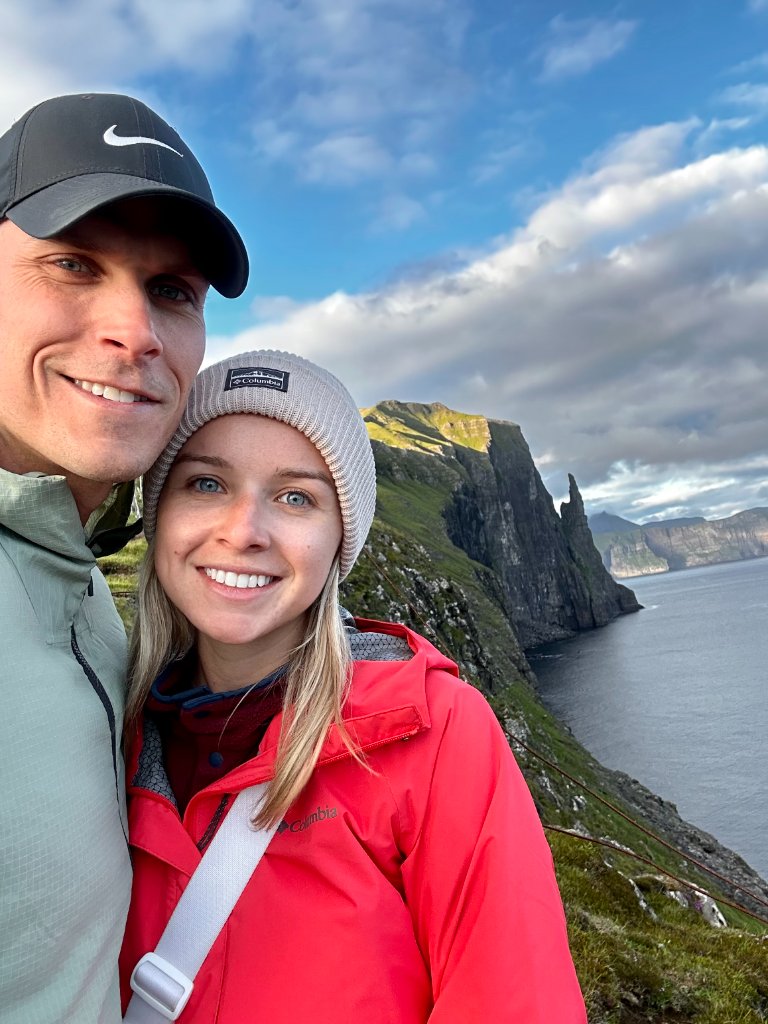
Would the Faroe Islands be on your travel list?
If so, we'd love to hear from you. We're always happy to talk travel!
More Articles

Country Guide
Finland Winter Itinerary: 7 Days in Lapland & Helsinki
November 14, 2026 · 9 min read

Hotel Review
Review: The St. Regis Belgrade
November 10, 2026 · 7 min read

City Guide
Prague in 3 Days: Our Itinerary with a Toddler
November 7, 2026 · 9 min read
Country Guide
Finland Winter Itinerary: 7 Days in Lapland & Helsinki
Our 7-day Finland winter itinerary takes you through Lapland and Helsinki, with dog sledding, a glass cabin, a snow igloo and Christmas Eve in Rovaniemi.
Hotel Review
Review: The St. Regis Belgrade
We stayed in a Junior Suite at The St. Regis Belgrade in August 2026. Here's what the room, river views, facilities and service were like, and how the Marriott points value stacks up.
City Guide
Prague in 3 Days: Our Itinerary with a Toddler
Planning on visiting Prague? Our family-friendly itinerary covers Old Town, Prague Castle, Charles Bridge, the best parks, beer halls and riverside walks.

Scott & Sophie
We're travellers who create destination guides and personalized itineraries to make trip planning easier. Our goal is to help you travel more efficiently, discover authentic experiences, and get more out of every trip.